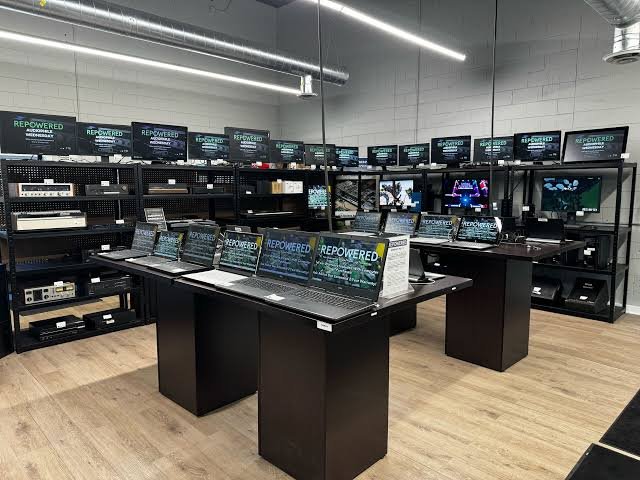
PC retailers face unprecedented challenges as hardware costs and supplier expenses continue climbing. Rising component prices squeeze profit margins while increasing competitive pressure forces retailers to absorb costs rather than pass them entirely to customers.
Understanding these pressures helps consumers appreciate retail challenges while guiding purchasing decisions. Industry analysis reveals structural changes that will reshape PC retail operations for years ahead.
Component Scarcity and Supplier Cost Increases

Global semiconductor shortages have eased since peak pandemic disruption, but component costs remain elevated compared to pre-pandemic pricing. Memory, processors, and graphics cards that retailers relied on for consistent supply have become strategic commodities with volatile pricing.
Procurement consulting experts recommend that retailers diversify supplier relationships and implement strategic sourcing practices—read more here to discover how procurement optimization can help navigate rising costs. Supply chain disruptions from geopolitical tensions and manufacturing constraints continue creating uncertainty in component availability and pricing.
Tech Radar industry analysis documents how component cost increases directly impact retail margins and selling prices. Retailers locked into long-term supply contracts at pre-shortage pricing benefit temporarily, while those renegotiating face significant cost increases.
Shipping costs from manufacturing regions add additional pressure to retailer margins, particularly for heavyweight components like monitors and power supplies. Logistics constraints and fuel price volatility continue affecting delivery costs that retailers ultimately absorb.
Inventory Management and Demand Uncertainty
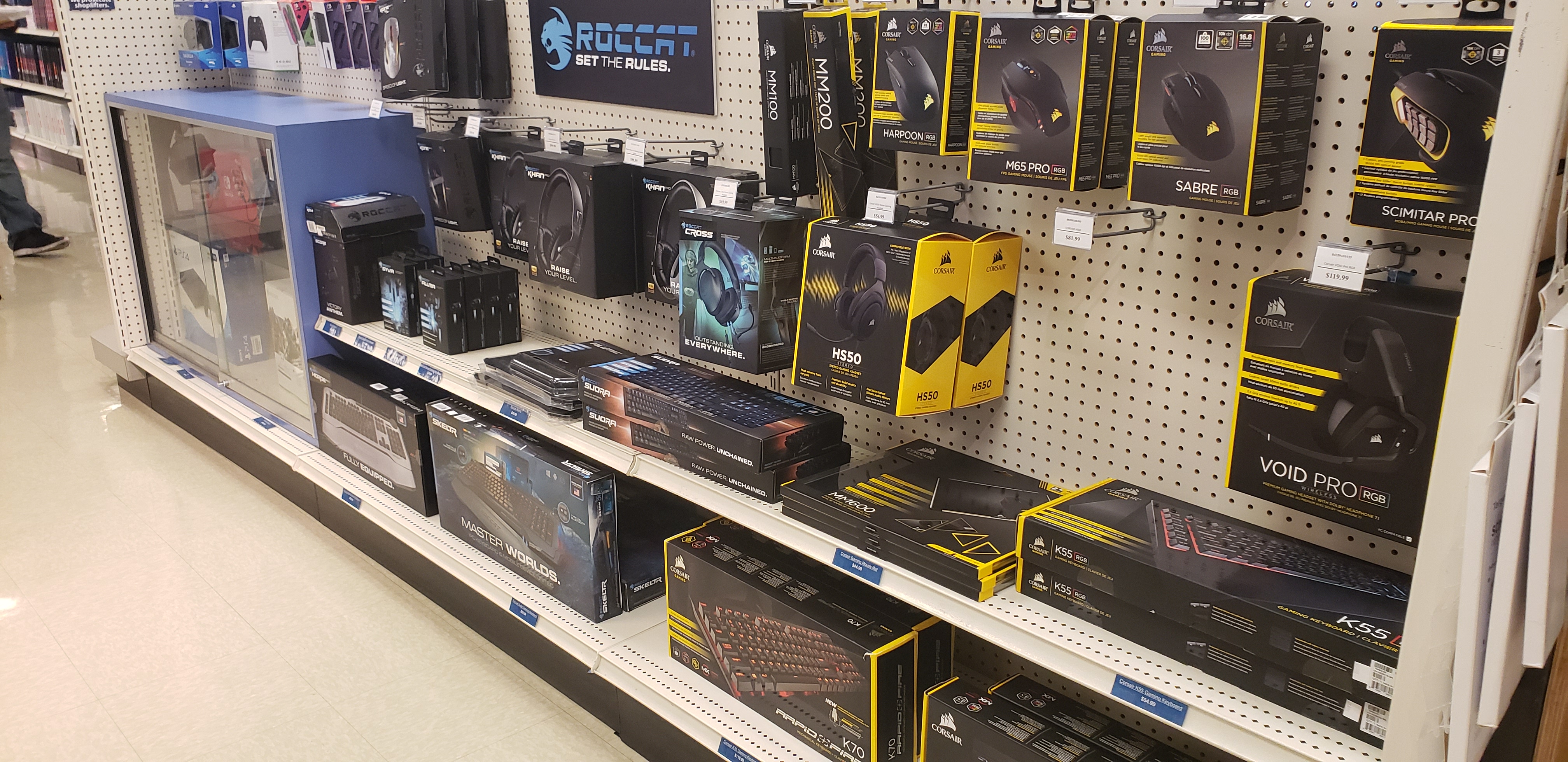
Managing inventory becomes increasingly difficult when component costs fluctuate rapidly and demand patterns shift unpredictably. Retailers holding excess inventory face write-downs as newer components arrive at lower costs, destroying profit potential on older stock.
Understocking creates missed sales opportunities and customer frustration when popular configurations remain unavailable. AnandTech hardware reviews show how rapidly PC technology cycles, causing older components to lose value quickly. Balancing these competing risks requires sophisticated forecasting and demand sensing capabilities.
Seasonal demand patterns complicate planning when economic uncertainty influences consumer purchasing behavior unpredictably. Back-to-school, holiday shopping, and gaming release cycles drive demand spikes retailers must anticipate months in advance.
Direct-to-consumer competition from manufacturers and online retailers forces brick-and-mortar stores to maintain competitive pricing despite higher operating costs. Retailers struggle to maintain margins when Amazon and manufacturer direct sales undercut traditional retail pricing.
Competitive Pressure and Margin Erosion
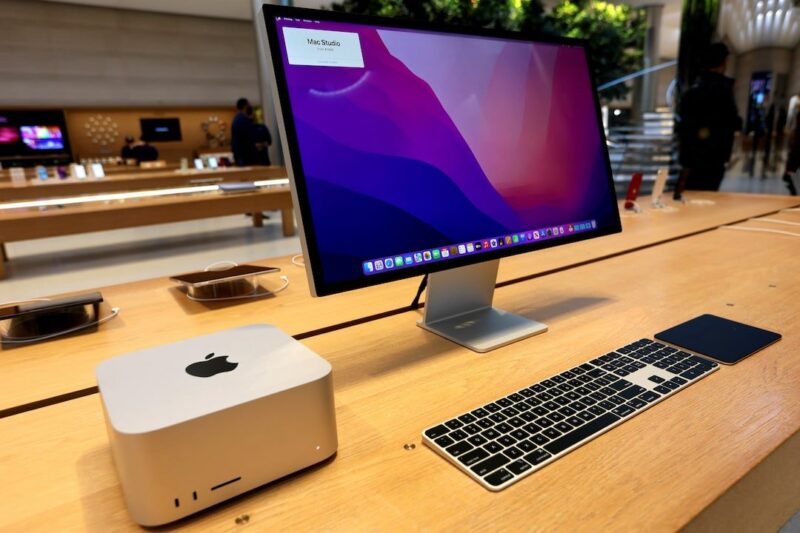
PC retail margins have historically been thin, typically ranging from five to fifteen percent depending on product categories and customer segments. Rising supplier costs compress these margins further, leaving retailers choosing between lower profit or higher selling prices.
Price-sensitive customers increasingly shop online where transparent pricing and international competitors create downward pressure. Local retailers offering expertise and service struggle to justify price premiums when customers can purchase identical products online cheaper.
Custom PC building services and technical support were once differentiators for traditional retailers but increasingly become an expectation rather than a competitive advantage. Providing these services costs money retailers can no longer recoup through component mark-ups.
Consolidation accelerates as smaller retailers unable to achieve scale economies exit the market. Surviving retailers increasingly focus on niche segments like gaming, professional workstations, or business customers where margins and customer loyalty remain stronger.
Conclusion
PC retailers navigate unprecedented cost pressures requiring operational efficiency and strategic differentiation. Supply chain complexity, component costs, and competitive intensity create a challenging environment for traditional retail models.
Retailers adapting through service specialization, customer relationship focus, and operational excellence maintain viability despite margin pressures. Industry consolidation and business model evolution will continue reshaping PC retail landscape for years ahead.