
Total and Permanent Disability insurance can provide important financial support when a serious illness, injury, or long term medical condition prevents someone from returning to work. Many people are unaware that TPD cover may be included within their superannuation fund or held as a separate insurance policy. Understanding how the claim process works can make a major difference, especially when medical evidence, employment history, and policy definitions must all be reviewed carefully.
Understanding When a TPD Claim May Apply
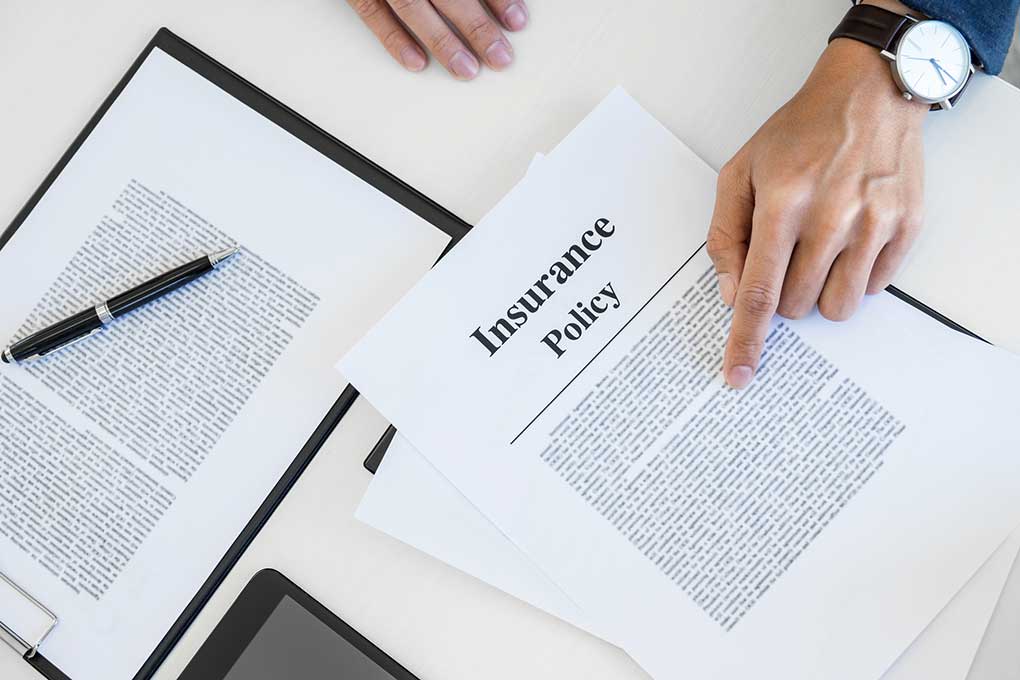
A TPD claim may be available when a person can no longer work in their usual occupation, or in some cases, any suitable occupation based on their education, training, and experience. The exact definition depends on the insurance policy, so it is important to review the wording before submitting a claim. People often seek for help with TPD claims Brisbane when they are unsure whether their illness, injury, or long term condition meets the required criteria.
Common reasons for TPD claims include serious physical injuries, chronic pain conditions, neurological disorders, mental health conditions, cancer, heart disease, and other long term illnesses. The key issue is usually whether the condition has created a permanent work limitation, supported by reliable medical evidence.
Why Evidence Is Important in TPD Insurance Claims
Strong evidence is one of the most important parts of a successful TPD claim. Insurers usually require medical reports, specialist assessments, employment records, and details about previous job duties. These documents help show how the condition affects the person’s ability to work now and in the future.
Incomplete or unclear evidence can delay the process or lead to disputes with the insurer. Medical reports should explain the diagnosis, treatment history, symptoms, functional limitations, and expected long term impact. Employment evidence may also be needed to show what type of work the claimant performed before becoming unable to continue.
Because TPD claims can involve complex policy wording, many claimants benefit from guidance when gathering documents and responding to insurer requests. Careful preparation can reduce unnecessary delays and improve the chance of a fair assessment.
How Professional Claim Support Can Reduce Stress

Dealing with a serious condition is already difficult, and managing an insurance claim at the same time can feel overwhelming. Professional claim support can help by reviewing policy terms, preparing forms, organizing evidence, and communicating with insurers or superannuation funds.
This support is especially useful when a claim has been delayed, questioned, or rejected. A detailed review can identify missing evidence, unclear medical information, or incorrect assumptions made during the assessment. In many cases, a stronger submission can help clarify the claimant’s position and move the matter forward.
Having support also allows claimants to focus more on their health and daily needs while the claim is handled with greater structure and attention to detail.
Conclusion

TPD insurance claims can provide valuable financial relief for people living with illness, injury, or long term conditions that prevent them from working. However, the process often requires careful preparation, strong evidence, and a clear understanding of policy requirements. By getting the right support early, claimants can reduce stress, avoid common mistakes, and improve their chances of achieving a fair outcome. For anyone facing permanent work limitations, understanding the claim process is an important first step toward financial stability.