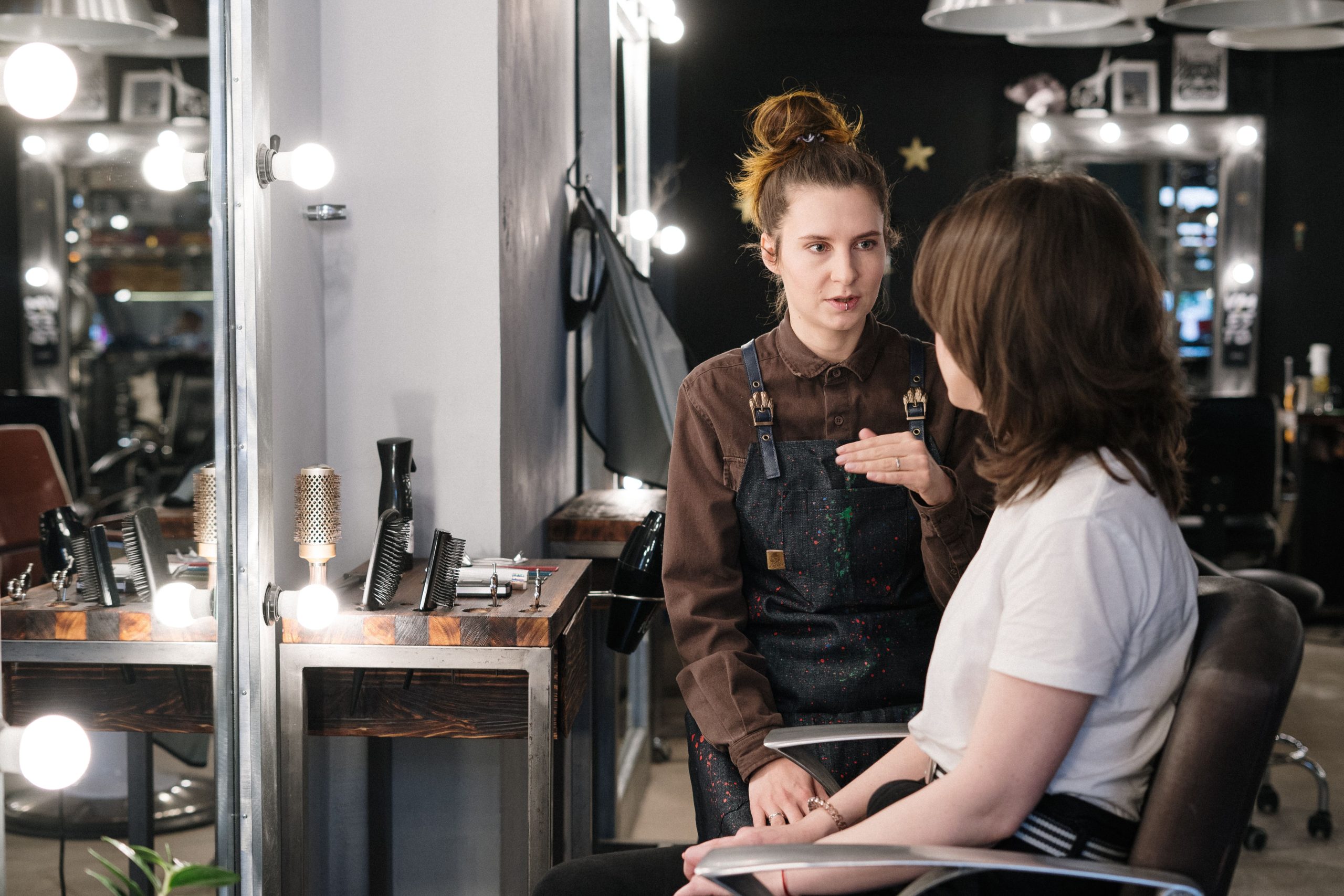
Luxury used to announce itself: a grand lobby, a rare material, a polished script. In personal services, those signals still have a place, but they cannot rescue an encounter that feels generic or staged. The harder-to-copy premium is being treated as an individual without being managed like a sales opportunity.
That shift makes authenticity more than a warm brand word. It is the sense that the person serving you is attentive, candid and consistent with what the business promised. In a bespoke fitting, a wellness consultation or an escort service München, the details and expectations differ; in each case, respect and clear communication matter more than theatrical charm.

Attention beats performance
Authenticity is not an excuse for informality or rough edges. A polished professional can be genuine; a scripted greeting can be kind. The difference shows up in whether the provider listens, explains choices honestly and adapts without pretending to know more about the client than they do.
Research in the Journal of Services Marketing found that frontline workers signal authenticity through client-centered behavior, transparency and appropriate emotional expression. A separate study of service encounters offers a useful caution: in a simulated interaction with 223 consumers, more intense smiles did not improve customer emotions, while the perceived authenticity of employees’ emotional displays did. A brighter performance is not the same as a better experience.

Personalization has a boundary
There is a reasonable case for personalization: people value services that remember preferences and fit the moment. But customization can turn unsettling when the provider uses information the client did not knowingly share, or presumes intimacy before trust exists. Authenticity requires restraint as much as attentiveness.
A March 2025 Qualtrics XM Institute report found that 64% of consumers prefer to buy from companies that tailor experiences to their needs, while 53% are very or extremely concerned about personal-data privacy. The tension is the point: clients want relevance, not surveillance. The best service asks what would help, explains why a detail is needed, and lets the client decline.
What premium service should feel like
For providers, authenticity is less a personality trait to hire for than a set of conditions to create. Give staff room to solve small problems without reciting a script. Make prices, limits and next steps plain. Remember a stated preference when it is useful, not to show off how much you remember. And when something goes wrong, acknowledge it directly before polishing the explanation.
Clients can look for the same signals. Does the professional answer a practical question clearly? Can you set a boundary without having to justify it? Does the service feel tailored to your needs, rather than to a character the provider thinks you want to play? Those are stronger signs of quality than lavish language or forced familiarity.

Personal service will never be purely effortless: good attention takes skill, and different clients want different degrees of warmth. But I would argue that discretion and honesty are now more luxurious than constant availability. A memorable provider does not insist that the interaction felt special. They make it easy to feel understood, keep control of your choices and leave without wondering what was performed for effect.