Kitchen glass splashbacks are a popular choice for modern kitchens because they combine practicality with a clean, high end look. They are easy to wipe down, resistant to staining, and can be customized to suit almost any layout. If you are comparing options, it helps to understand the main materials, finishes, and sizing considerations before you order.
Why Glass Splashbacks Are Popular
Homeowners often choose kitchen splashbacks for the seamless appearance and the way glass reflects light, making smaller kitchens feel brighter and more open. Unlike tiled surfaces with grout lines, glass creates a smooth wall panel that is quick to clean and less likely to trap grease.
Glass splashbacks also offer design flexibility. They can be color matched to cabinetry, paired with stone benchtops, or used as a bold accent behind the cooktop. When correctly manufactured and installed, they handle everyday heat and moisture well, which makes them suitable for high use cooking areas.
For long term durability, the key factor is using toughened safety glass and correct installation clearances, especially near heat sources.
Materials And Glass Options
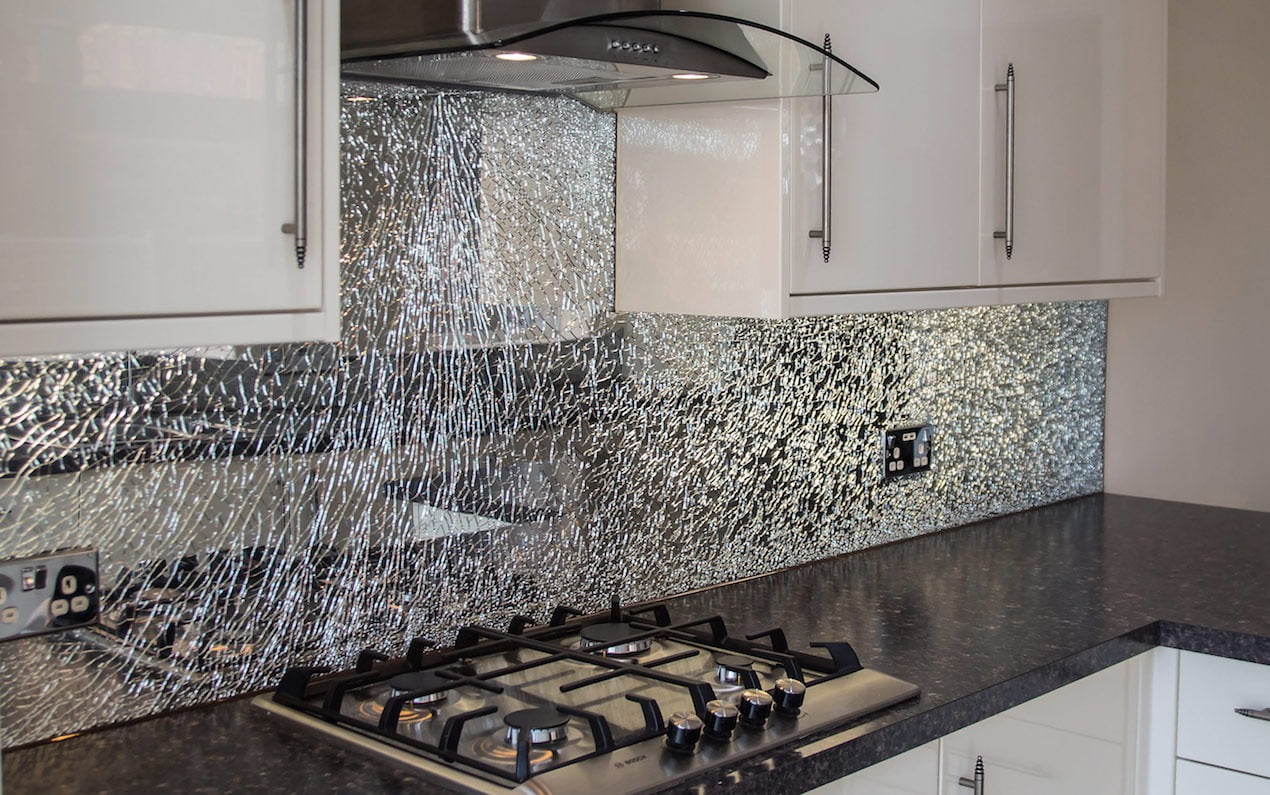
Most glass splashbacks are made from toughened glass, which is heat treated to increase strength and improve safety. If it breaks, it shatters into small pieces rather than sharp shards. Typical thickness is 6 mm, with thicker options available for certain designs or larger panels.
Low iron glass is an upgrade option if you want clearer color accuracy. Standard float glass can have a slight green tint, which may affect light colors or whites. Low iron glass reduces that tint and delivers a cleaner, brighter finish.
Some splashbacks use printed glass or laminated glass depending on design goals, but for most kitchens, toughened painted glass is the standard choice due to its balance of cost, appearance, and safety.
Finishes And Custom Sizing Tips
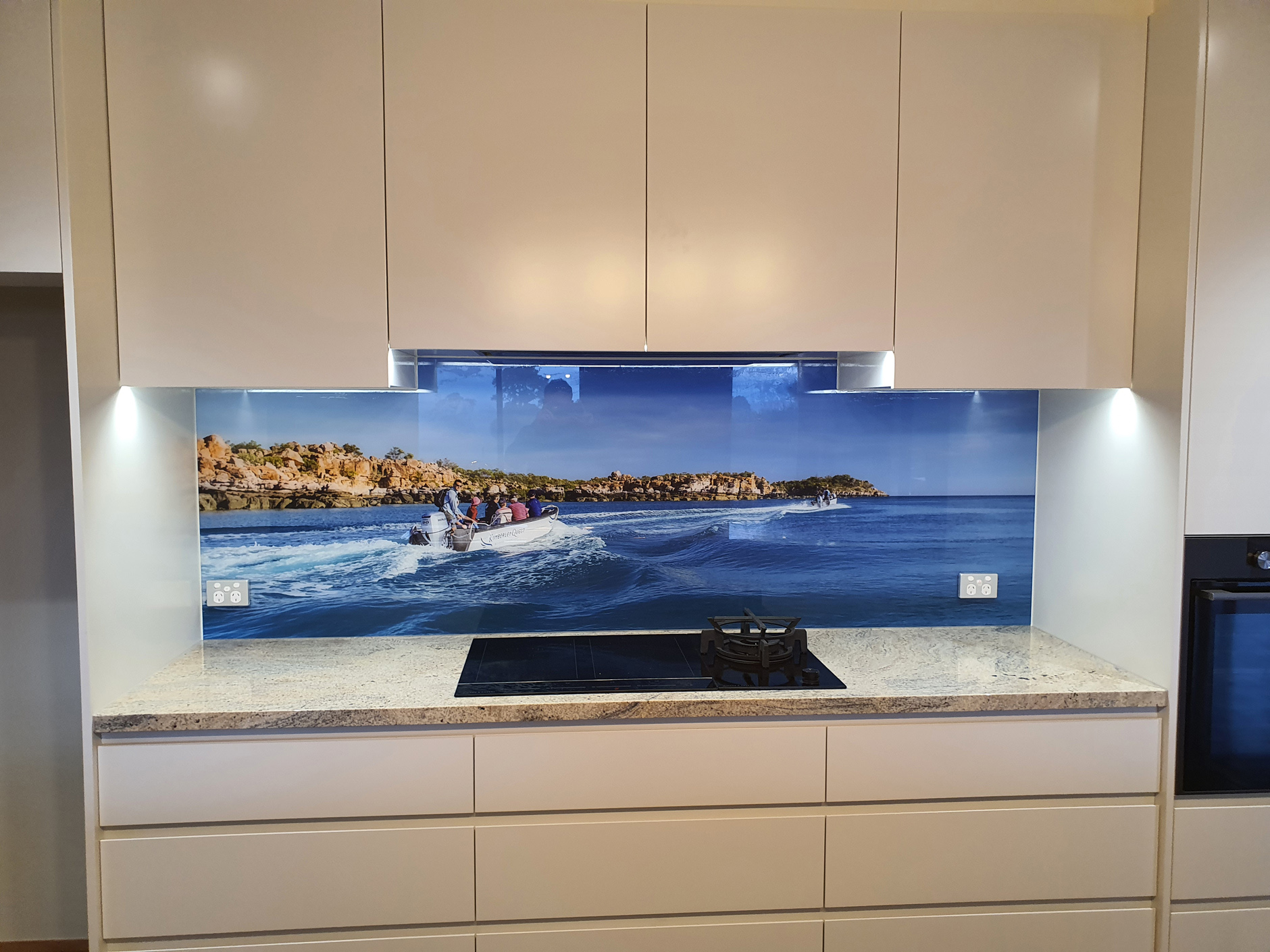
The most common finish is a solid color backing, where the color is painted on the rear side of the glass so the front remains glossy and smooth. This creates a vibrant, even look that is easy to maintain. A satin or matte finish is also possible, but glossy remains the most popular because it reflects light and looks sharper.
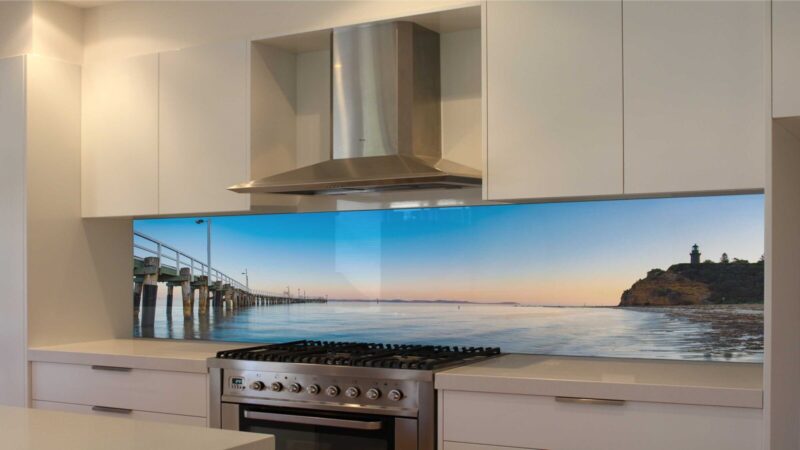
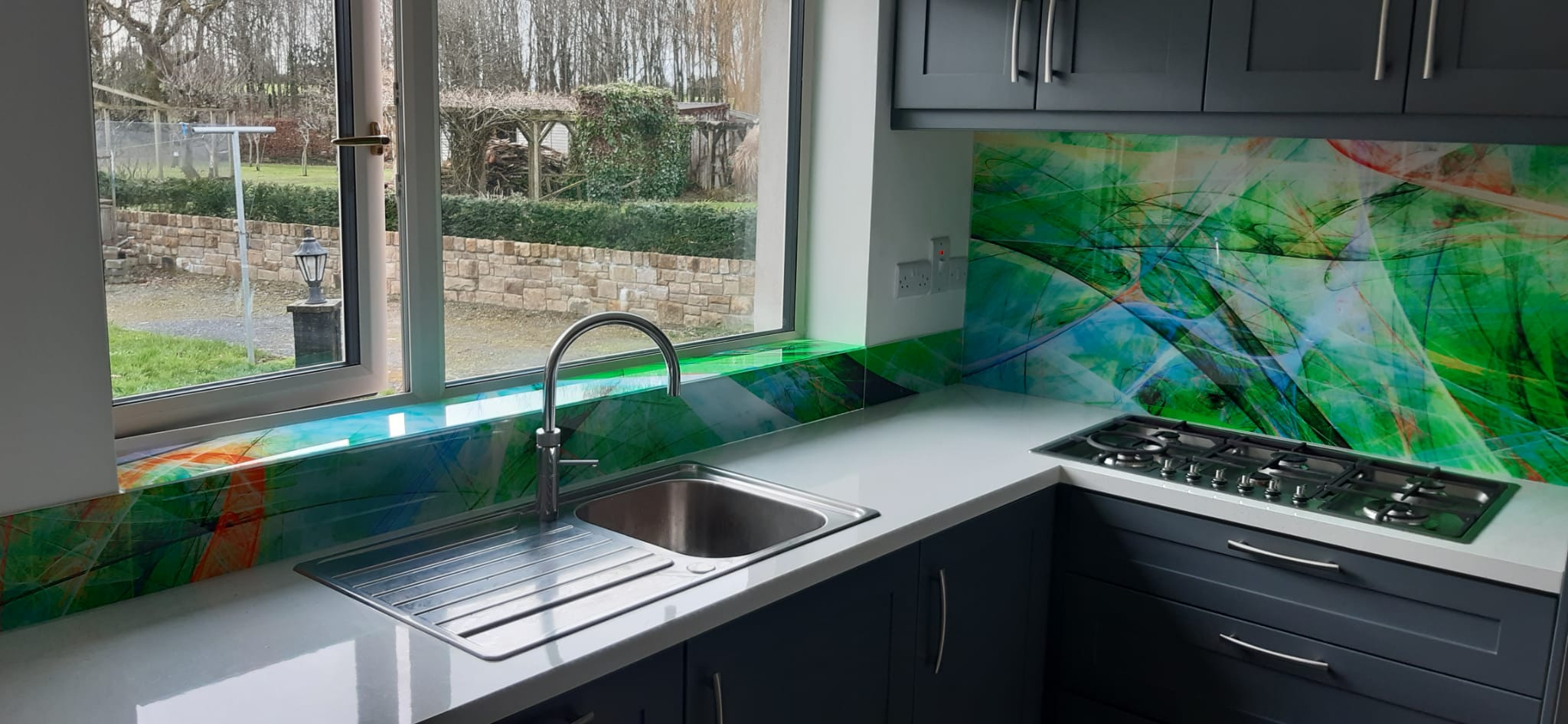
For visual impact, printed designs and digital imagery are available, including stone patterns, textures, and custom artwork. Mirror finish glass can also be used in some kitchens to increase the sense of space, although it shows smudges more easily.
Custom sizing is where careful measuring matters most. Splashbacks are usually templated after benchtops are installed to ensure accurate fit around cabinets, corners, windows, and appliances. Cutouts for power points and switches must be planned precisely because toughened glass cannot be cut after it is manufactured.
If your splashback runs behind a cooktop, ensure the glass is rated and installed according to manufacturer guidance and local requirements. Some setups may need additional clearance or alternative materials directly behind high heat burners.
Conclusion
Glass splashbacks offer a sleek, hygienic, and highly customizable solution for kitchen walls. By choosing the right glass type, selecting an appropriate finish, and planning custom measurements carefully, you can achieve a durable result that complements your kitchen style. If you prioritize easy cleaning and a seamless modern look, a well made glass splashback is one of the strongest upgrades you can make.